•
Follow us /
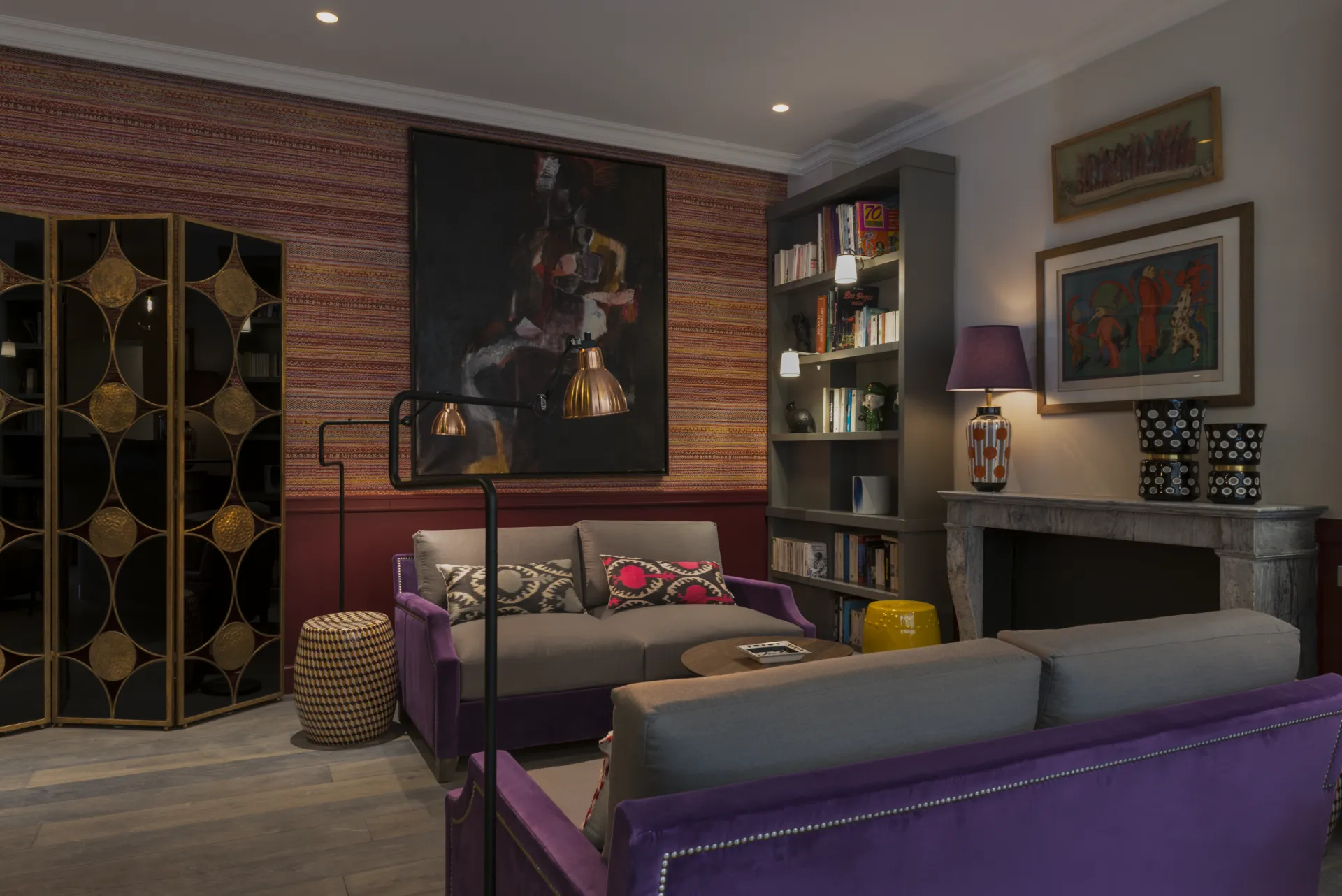
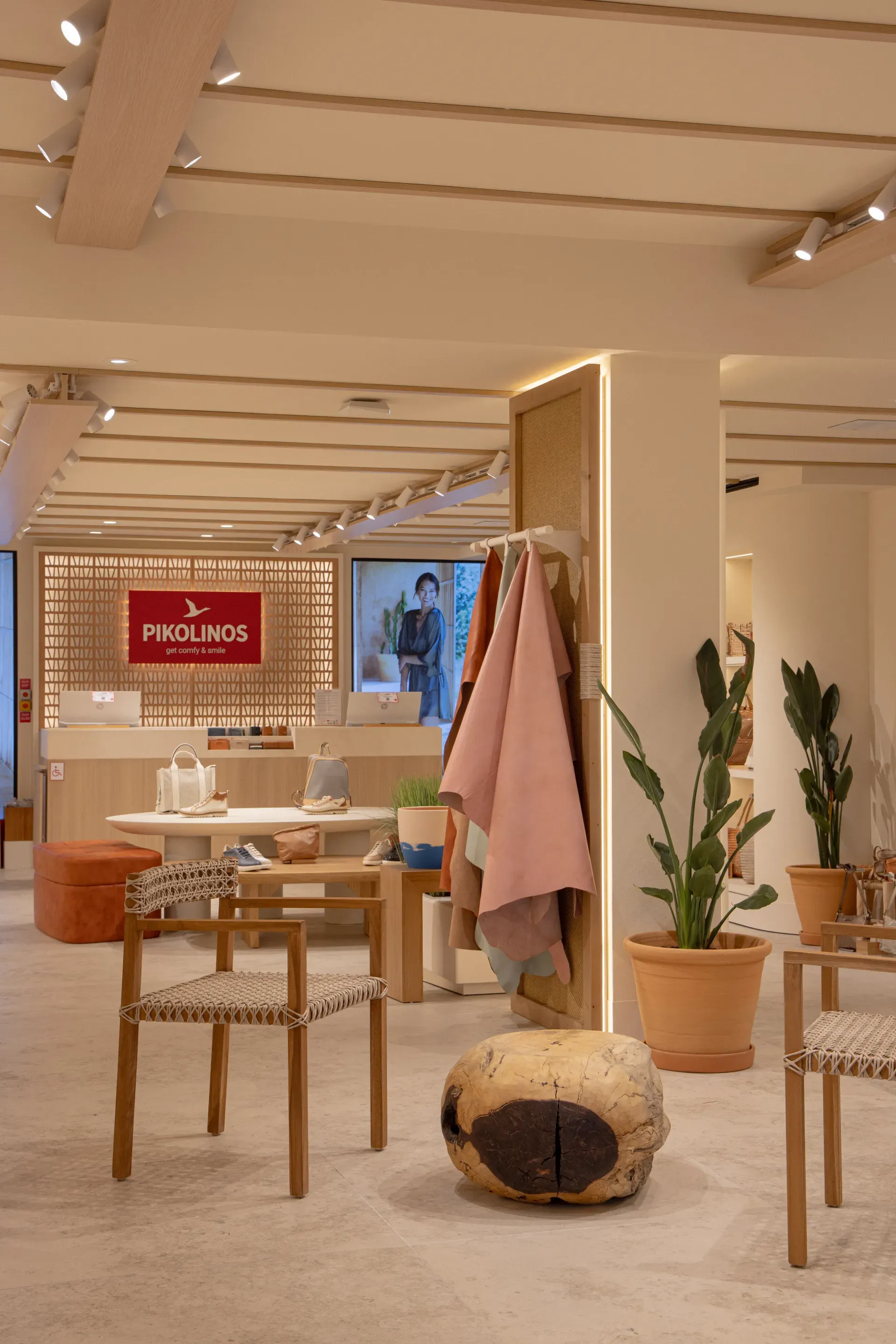
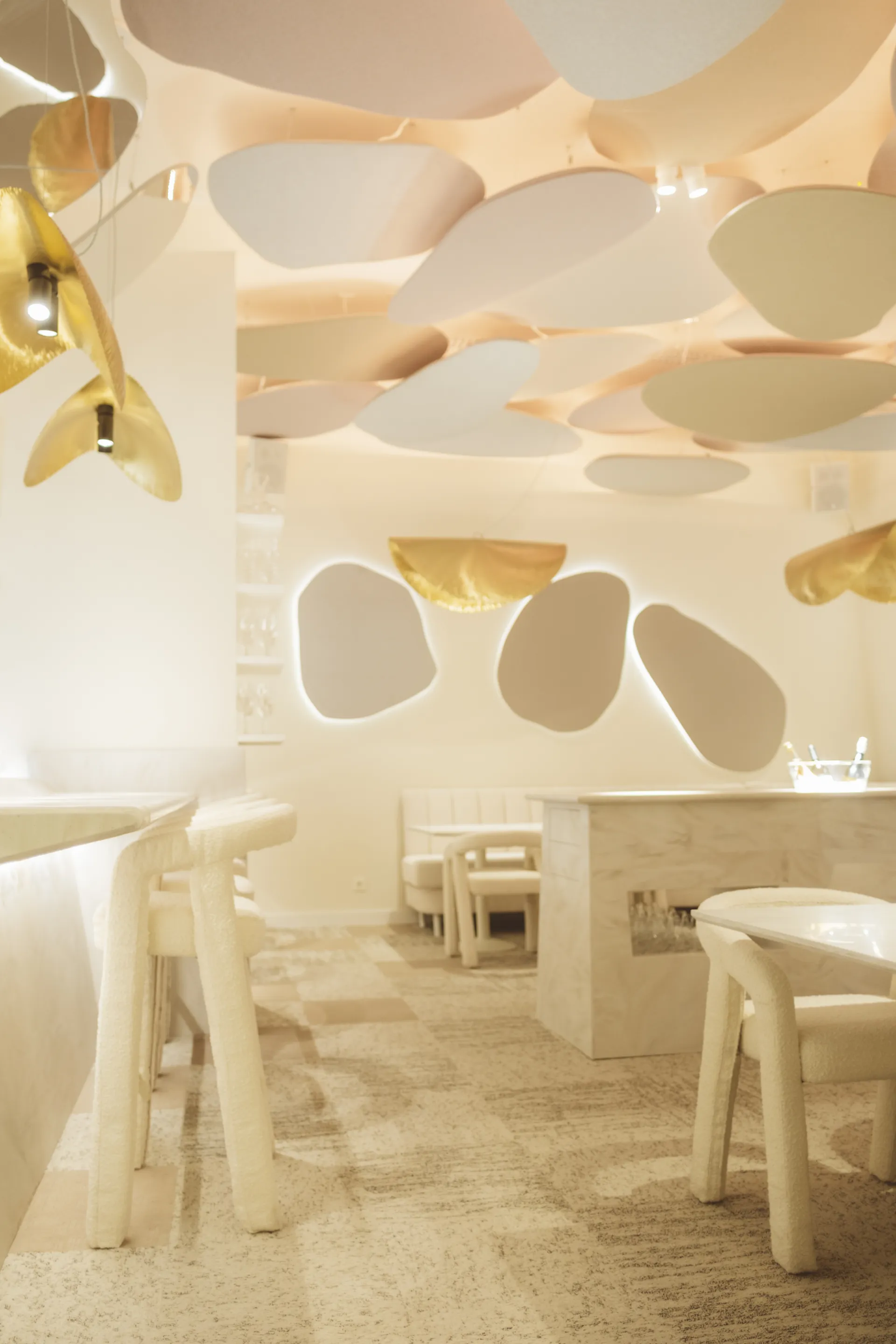
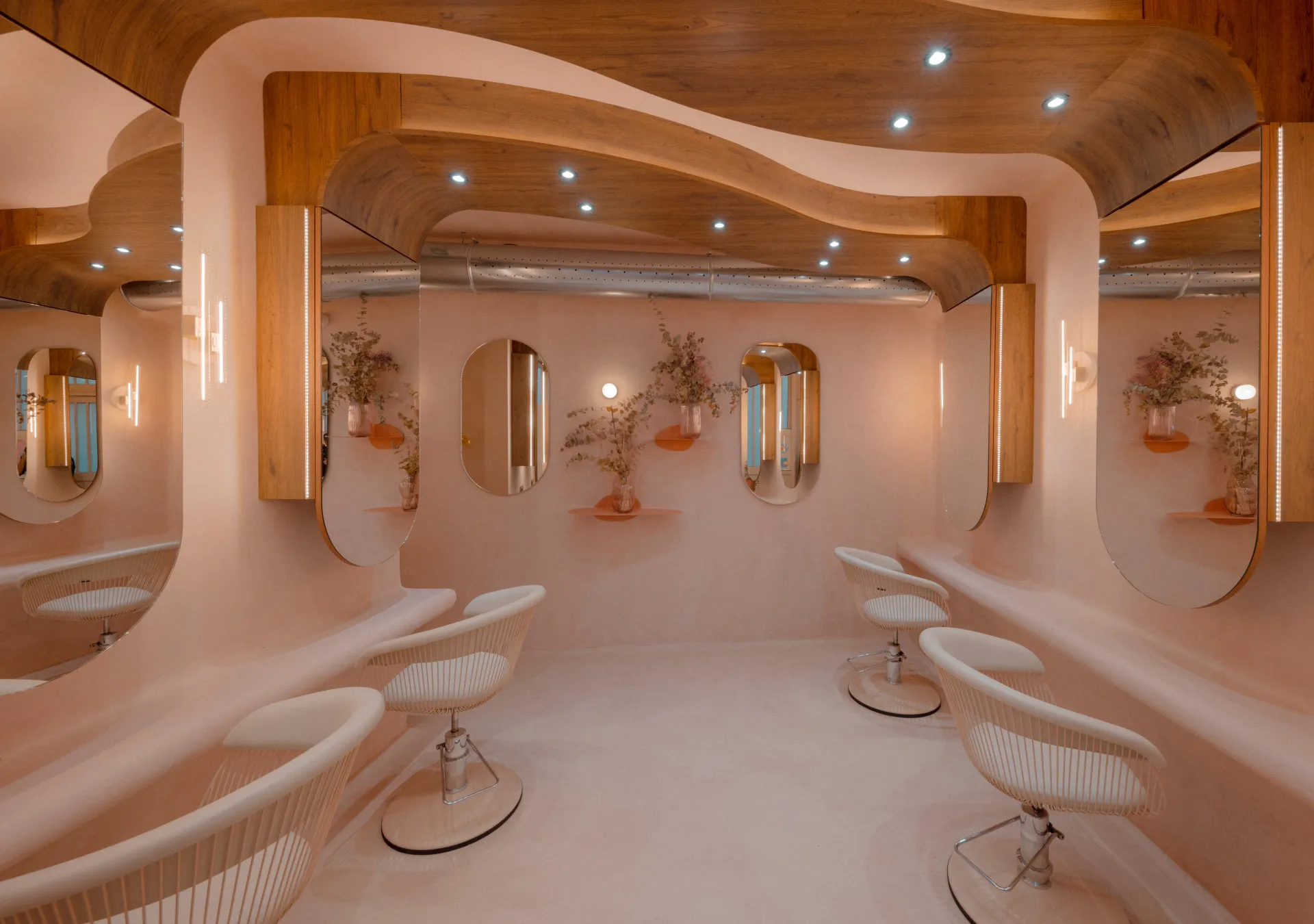
Step into a place that leaves an impression on you – a hotel, a café, a boutique – and observe what makes it unique. More often than not, it is neither the paint nor the lighting from a catalogue. It is a piece that exists nowhere else. A bar that hugs the curve of the room, a reception desk that feels as though it has always been there, a bookcase that absorbs an uneven wall. Bespoke cabinetmaking is one of our seven areas of expertise, and undoubtedly the one where design and the artisan's touch converse most intimately.
Why choose bespoke, exactly?
The first reason is spatial. Parisian buildings are rarely square: walls are out of alignment, heights vary, and there are beams, piers, and alcoves. Standard furniture leaves gaps, unsightly joints, and wasted centimetres – precious space in commercial premises where every square metre counts. In contrast, custom-designed furniture embraces the existing structure and reveals its qualities. It transforms a constraint into a composition.
The second reason is utility. A restaurant counter must balance the service height for the staff, comfort for the customer, technical routing, storage, and sometimes refrigeration. A hotel headboard integrates reading lights, sockets, lighting controls, and bedside tables in a single design. These equations with multiple unknowns cannot be solved by a catalogue. They are drawn, plan by plan, detail by detail.
The third reason is identity. A unique piece cannot be found in any other establishment. For a place that thrives on its atmosphere, it is literally an asset.
From sketch to workshop: how a piece is born
It all begins with the global project. Bespoke furniture is not a decorative afterthought; it is part of the layout from the initial sketch. Then come the scale detail drawings, down to the cross-sections, where joints, thicknesses, hardware, and finishes are decided. It is at this stage that the dialogue with the artisan is most valuable. The cabinetmaker knows what the material will allow, how a veneer behaves on a curve, where solid timber edging will protect better than a veneer, and how the wood will move with the seasons.
This is followed by prototyping or sampling, with stains, lacquers, and finish tests approved under the actual light of the venue – never just in the workshop – then manufacturing and finally installation, the decisive moment when the piece meets the building. Millimetre-perfect adjustments, well-crafted filler panels, controlled joints: the quality of fitting out is judged by these details that the eye only notices when they are missing.
A network of craftsmen, a shared responsibility
Working with a trusted network of workshops and craftsmen, built up project after project, makes a tangible difference to the result. Plans are understood instinctively, deadlines are reliable, and site surprises are resolved quickly. It is also a choice of industry: supporting skills that are passed down, in local workshops, using traceable materials. And it is a choice for the long term. A well-built piece of cabinetmaking can be repaired, sanded, re-varnished, and transformed. It is made to last.
Investing where it counts
Bespoke has a cost, and we say so clearly: it is not justified everywhere. Our role, in budget trade-offs, is to identify the pieces that shape the experience of the space – the bar, the reception, the interior facade that everyone sees and touches – and to focus the investment there, while accepting simpler solutions elsewhere. It is this hierarchy that makes projects successful: generous where necessary, understated where possible.