•
Follow us /
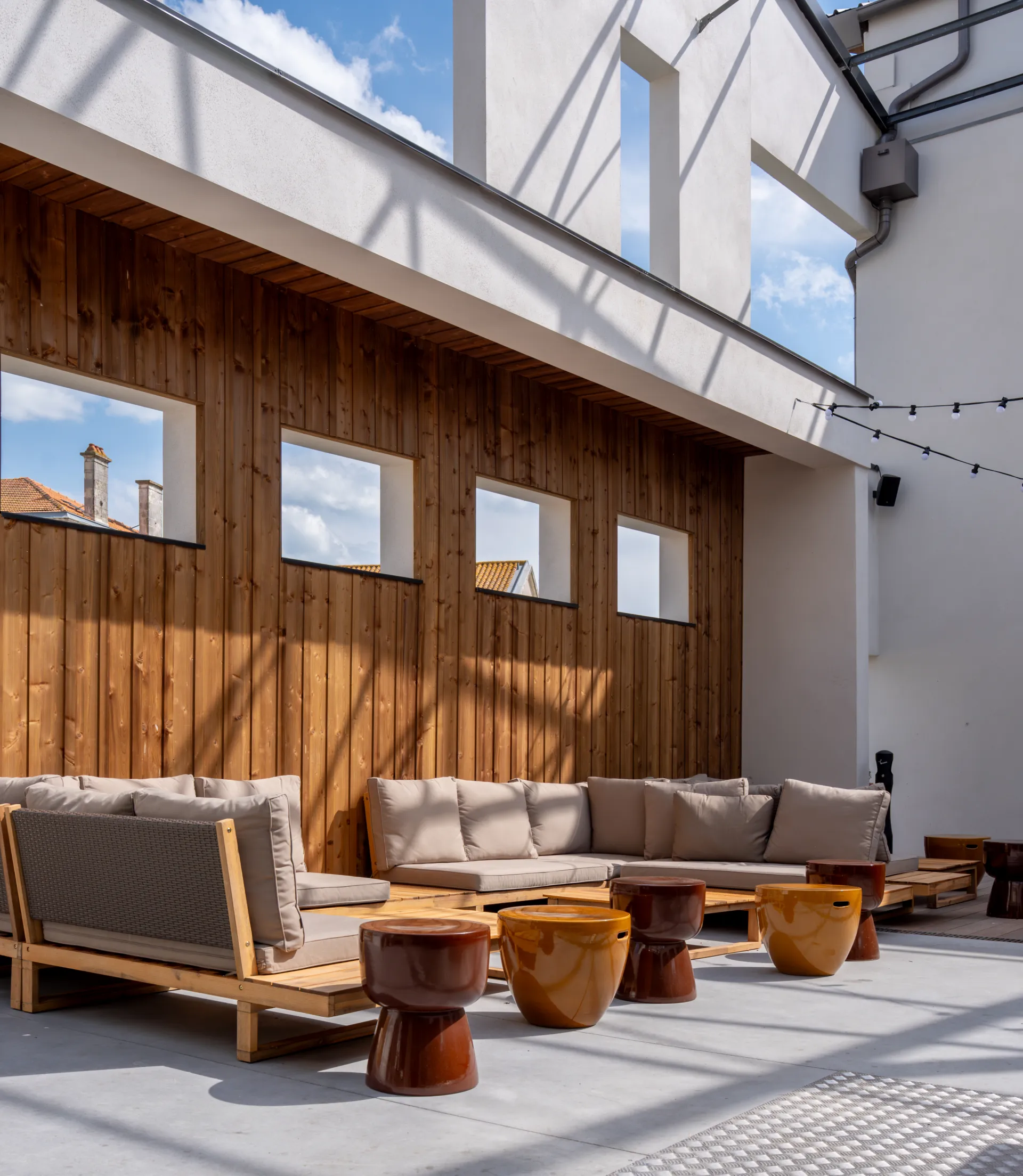
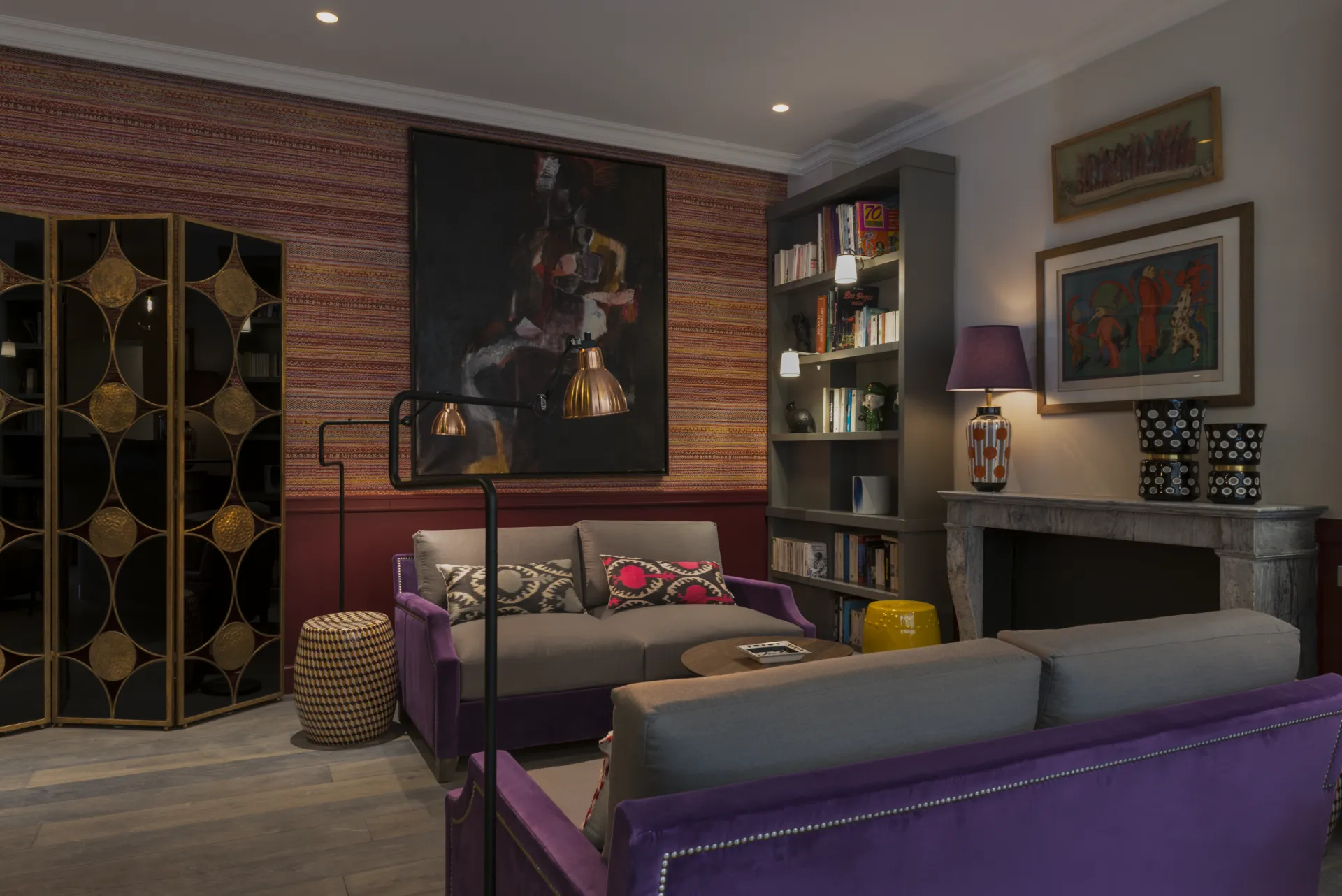
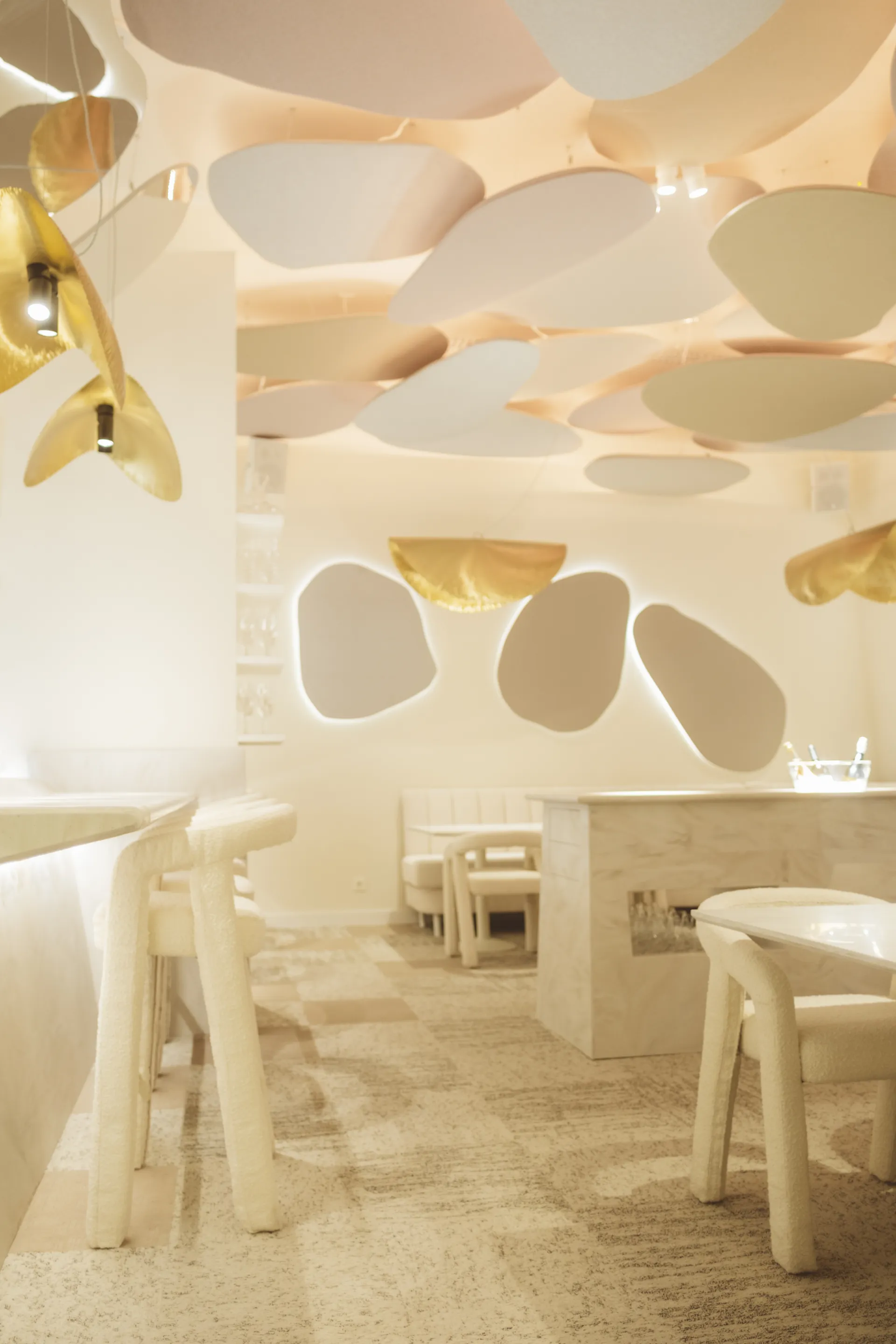
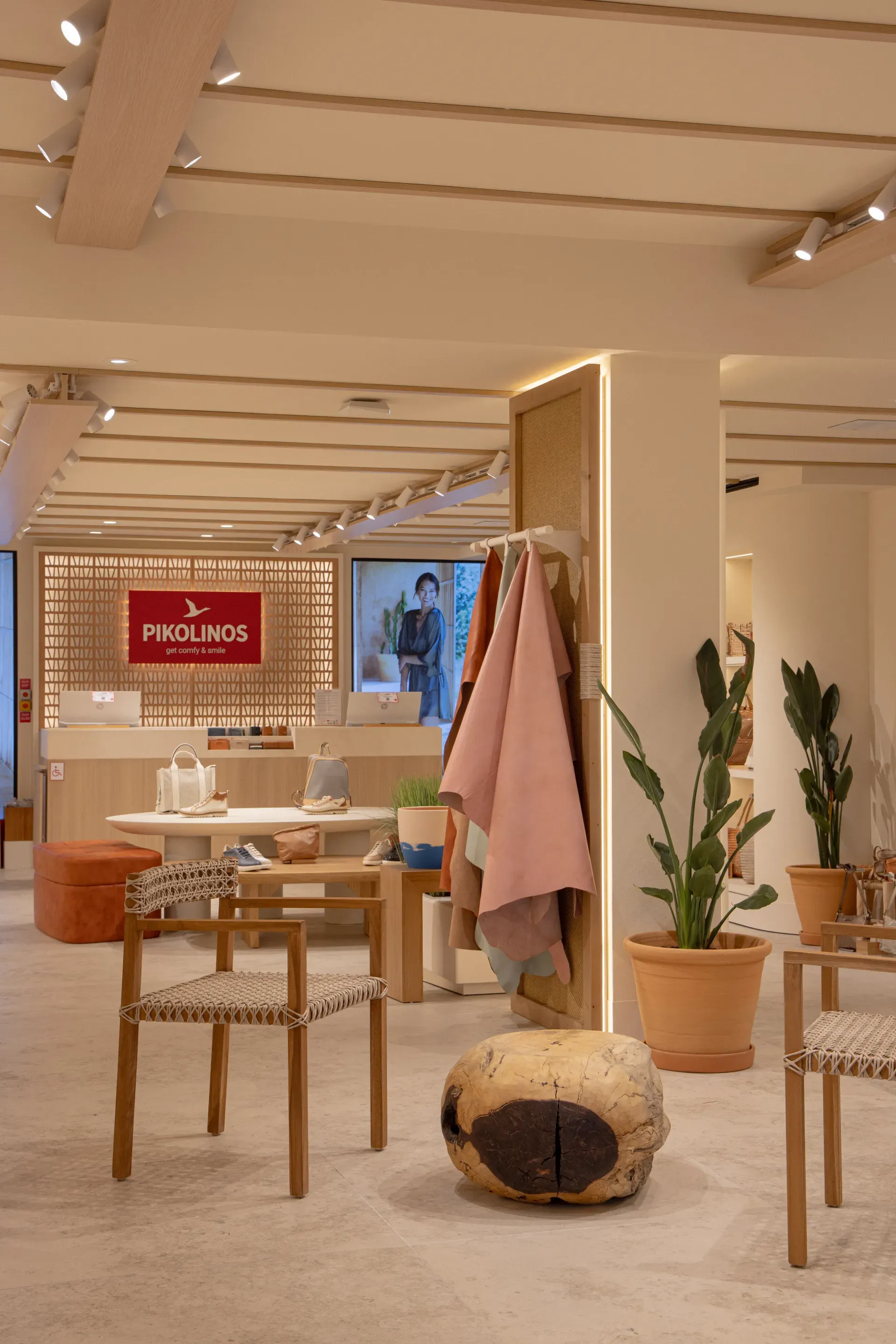
A great project is not just about a great idea. It depends on a clear path, where every decision arrives at the right moment, with the right skills around the table. That is why our method is structured into seven stages, seven areas of expertise that cover the entire journey, from the initial intuition right through to the opening. They are presented here in the order in which you will experience them.
1. Feasibility & vision: asking the right questions before designing
It all begins with a meeting and a site visit. What does the building permit? What are the structural, technical and regulatory constraints? What is a realistic budget for the ambition of the project? This study phase avoids the most costly pitfall of any project: discovering too late that an idea is not feasible. It leads to a shared vision, a direction, a narrative and a budget estimate that will guide all subsequent decisions.
2. Interior design: giving shape to the narrative
Next comes the design itself: layouts, volumes, circulations, lighting and materials. We work iteratively, from the sketch to the detailed plans, testing each proposal against actual usage. A customer's journey through a hotel, the pace of table service, the focus in an office. A successful interior is first read in a floor plan: if the usage is correct, the atmosphere will follow.
3. Bureaucracy & planning permission: securing the schedule
Planning permissions for public buildings, declarations for shopfronts, dialogue with Local Authority planners: procedures have their own deadlines, which often run into several months. Anticipating them right from the design stage, rather than dealing with them retrospectively, is key to keeping on schedule. We prepare the application files and monitor their progress until authorizations are secured.
4. Bespoke joinery: the furniture that shapes the space
A reception desk, a bookcase, a bar: custom-designed furniture is often what sets a unique venue apart from a generic fit-out. We design these pieces down to the millimetre and have them crafted by our trusted network of artisans and joiners, overseeing prototypes and finishes right through to installation.
5. Lighting & fixtures: the invisible material
Light is the most decisive material in an interior, and yet the most frequently overlooked. Colour temperatures, dimmable intensities, scheduling according to the time of day, balance between natural and artificial light: a lighting scheme should be designed alongside the space, not after it. It is what makes a restaurant flattering in the evening, a hotel room inviting for rest, and an office comfortable all day long.
6. Budget & procurement: making trade-offs without compromising
A budget is not an unwelcome constraint; it is a design tool. We build it line-by-line, identifying trade-offs early on – where to invest and where to simplify – and we manage purchasing: furniture, lighting, fabrics, materials. This transparency prevents the two classic pitfalls: a project that runs over budget and one that ends up stripped back due to a lack of anticipation.
7. Project management & handover: keeping the promise
The construction site is the moment where design meets reality. Regular meetings, coordination of building trades, quality control, handling unexpected challenges (as there always are with existing buildings), followed by final inspections: we remain present up until the keys are handed over, and beyond completion if needed during the fine-tuning phase.
One method, a thousand projects
These seven stages form a framework, not a straitjacket. A restaurant that needs to open for a short season, a hotel renovating floor by floor to remain operational, a private residence with a more flexible pace: the method adapts, but the standards remain. This is what makes it possible, project after project, to transform spaces without compromising their identity.